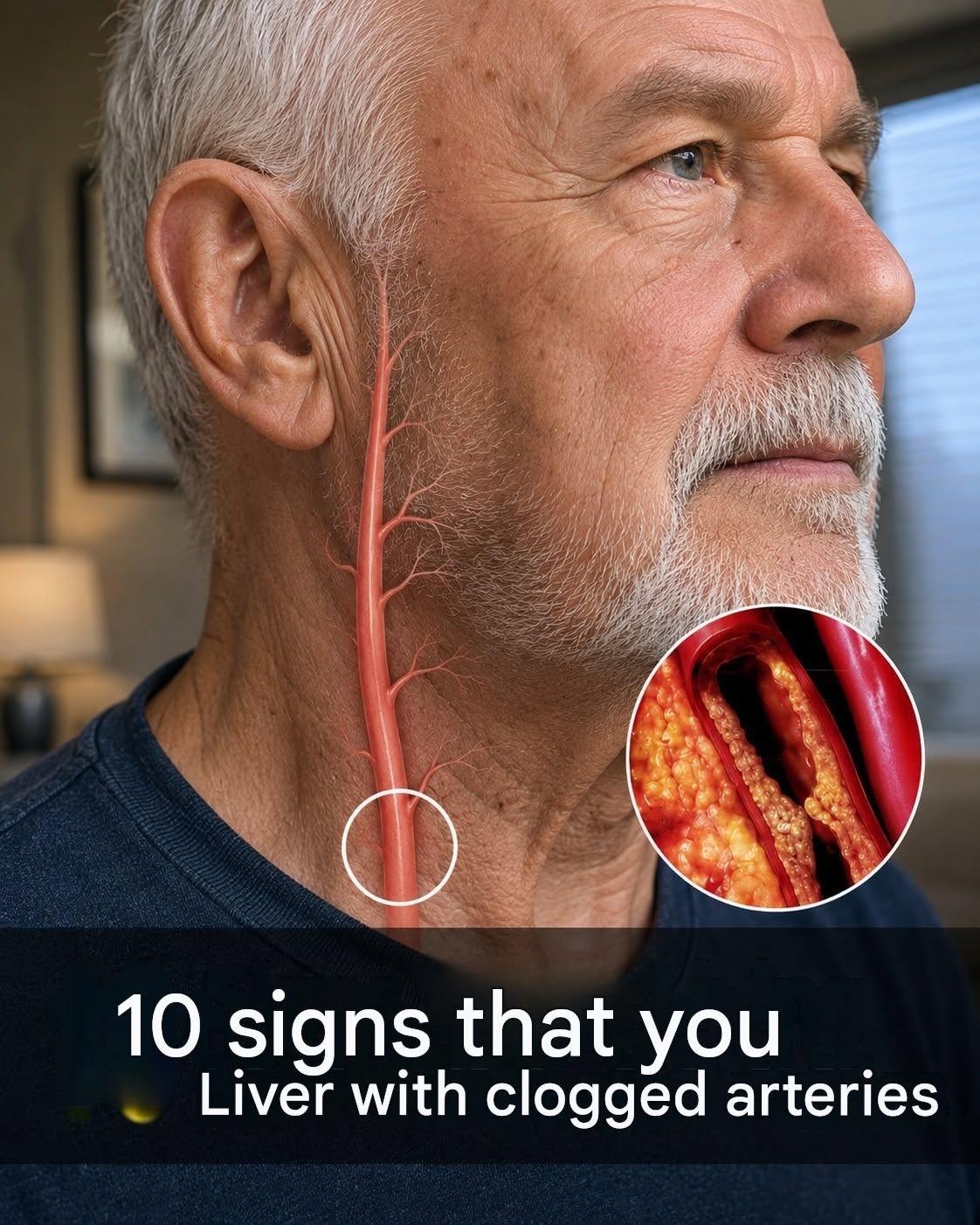
Many people dismiss subtle aches, fatigue, or unusual discomfort as normal signs of aging or everyday stress; however, when these signs of dangerously narrowed arteries appear, they can quietly progress into a heart attack or stroke that strikes without warning. This silent buildup of plaque restricts blood flow, leaving you drained of energy, anxious, and uncertain about your future health and vitality. The good news is that detecting these signs of dangerously narrowed arteries early allows you to seek professional guidance and make positive changes—but the one critical action that can truly protect your heart is revealed at the end of this guide.
🔴 Chest pain or pressure: a key sign of dangerously narrowed arteries
Chest pain or pressure ranks high among the signs of dangerously narrowed arteries, even if it feels mild at first. This discomfort—often described as tightness, squeezing, or heaviness—can make everyday activities overwhelming and trigger constant worry about your heart. According to experts at the Mayo Clinic, this symptom, known as angina, occurs when plaque narrows the arteries supplying blood to the heart muscle.
But here is what distinguishes it as a sign of dangerously narrowed arteries: the pain can occur during physical exertion, emotional stress, or even at rest, and may radiate to your arms, neck, jaw, or back. Ignoring it only increases the emotional burden, as most people assume it is merely indigestion or a pulled muscle.
🔴 Shortness of breath: another sign that your arteries are dangerously narrowed
Shortness of breath stands out as another common sign that your arteries are dangerously narrowed, especially when it occurs during light activity or while at rest. You may feel winded after climbing stairs or walking short distances—symptoms that can lead to frustration and limit your daily activities. Medical sources such as the Cleveland Clinic explain that reduced blood flow forces your heart to work harder, triggering these breathing difficulties.
While many people dismiss this as simply being out of shape, persistent shortness of breath is a sign of dangerously clogged arteries that warrants serious attention. It often goes hand in hand with fatigue and can create a cycle of avoidance that affects your self-esteem and independence.
🔴 Unusual fatigue: a sign that your arteries are dangerously clogged
Unusual fatigue is often among the signs that your arteries are dangerously clogged, and it goes beyond the normal tiredness felt after a long day. You might wake up exhausted or feel drained of energy after minimal exertion, making simple tasks—like grocery shopping—feel impossible. Research from the National Heart, Lung, and Blood Institute notes that poor circulation deprives your muscles and organs of oxygen-rich blood. Here is the aspect most people overlook when considering fatigue as a sign of dangerously clogged arteries. It can creep up gradually and feel like general burnout, which is why people delay getting it checked until other symptoms appear.
🔴 Leg pain while walking as a sign of dangerously narrowed arteries
Leg pain during walking—known as claudicatio—is a classic sign that your arteries are dangerously narrowed, particularly the peripheral arteries. This cramping, soreness, or burning sensation in the thighs or buttocks is usually relieved by rest but returns with movement. Health organizations emphasize that narrowed leg arteries restrict blood flow during activity, causing this predictable discomfort.
Pay attention to whether your leg pain follows this pattern—one of the signs that your arteries are dangerously narrowed:
Pain that starts after walking a certain distance
Relief within a few minutes of stopping
One leg is more affected than the other
No pain at rest in the early stages
Recognizing leg pain as a sign of dangerously narrowed arteries can help you manage circulatory problems before they worsen. 🔴 Pain in the jaw, neck, arms, or back as a sign that your arteries are dangerously narrowed
Pain in the jaw, neck, arms, or back can be a sign that your arteries are dangerously narrowed, especially in women or during cardiac stress. This referred pain often feels vague or like muscle tension, causing many people to ignore it completely. Experts from WebMD and Mayo Clinic note that reduced blood flow from the heart can cause discomfort to radiate to these areas.
But that is not all when it comes to pain in unexpected places as a sign that your arteries are dangerously clogged. It can occur without invol
…chest area and can feel like a toothache or a pulled shoulder muscle, which adds to the confusion.
🔴 Heart palpitations as a sign that your arteries are dangerously clogged
Heart palpitations—such as skipped beats, or sensations of rapid or fluttering heartbeats—are among the signs
that your arteries are dangerously narrowed, compromising blood flow to your heart. These episodes can feel alarming and disrupt your sleep, concentration,
and peace of mind. Reliable medical assessments link them to your heart compensating for narrowed arteries.
Look out for these accompanying signs that may indicate heart palpitations are a symptom of dangerously narrowed arteries:
Painful heart rhythm during or after mild activity
Dizziness or lightheadedness occurring at the same time
Lasting longer than a few seconds
Occurring more frequently over time
Recognizing heart palpitations as a potential sign of dangerously narrowed arteries warrants prompt medical evaluation.
🔴 Swelling in the legs or ankles as a sign that your arteries are dangerously clogged
Swelling in the legs or ankles is often a sign of dangerously narrowed arteries, as poor circulation leads to fluid retention. This edema can make shoes feel tight and daily movement uncomfortable, while also raising concerns about overall heart function. Sources such as Healthline link this condition to reduced pumping efficiency caused by clogged arteries. The surprising reality is that while many people attribute swelling to standing for too long, persistent swelling can be a sign that your arteries are dangerously clogged—especially if it worsens at night.
🔴 Cold hands and feet or numbness as a sign of dangerously clogged arteries