
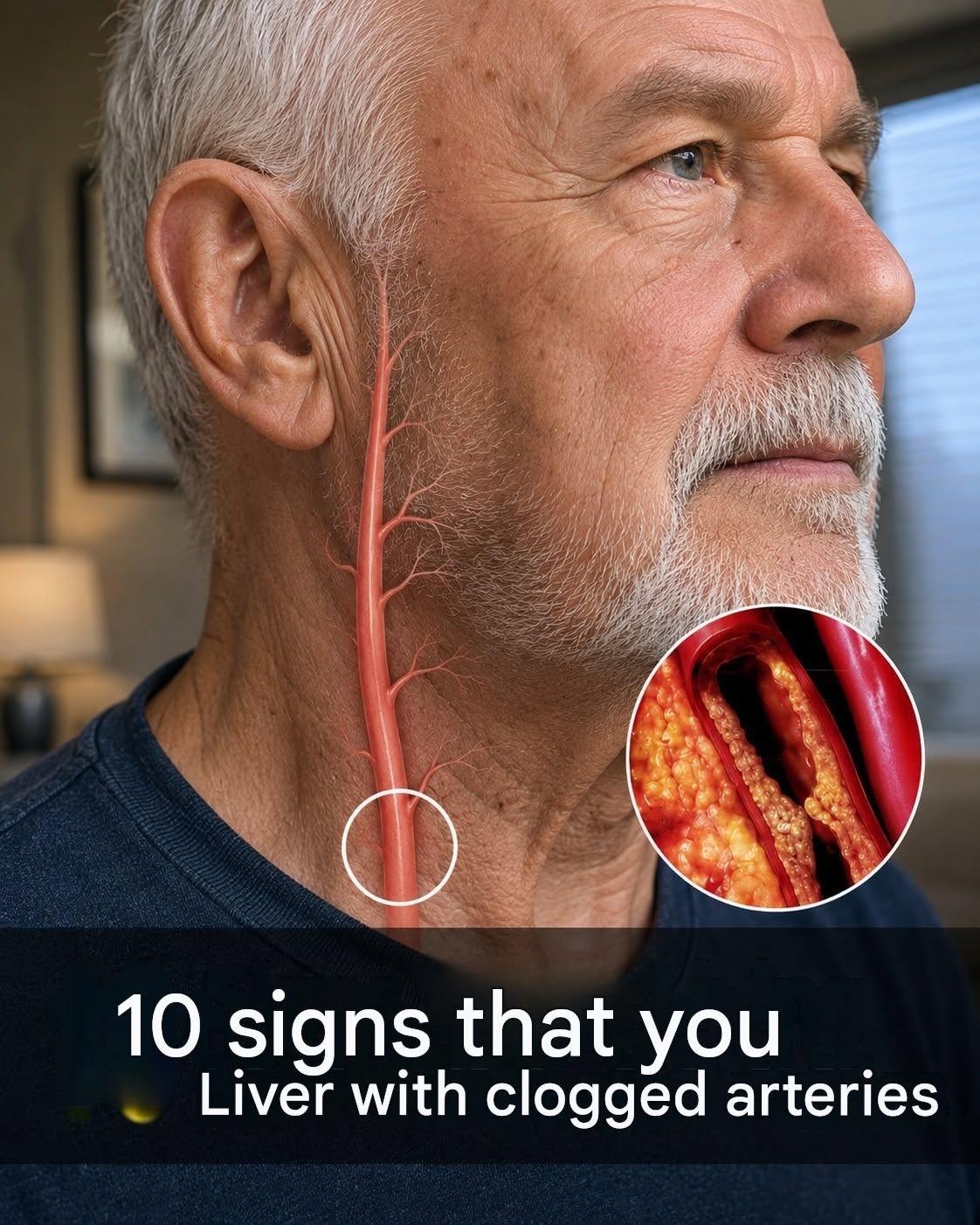
Why is it important to be aware of the signs of dangerously narrowed arteries in your daily life?
Ultimately, noticing these signs of dangerously narrowed arteries is about taking control and protecting the moments that matter most with family and friends. Most such symptoms have treatable causes, so professional advice offers clarity rather than fear. Health experts emphasize that early consultations with doctors often lead to simple tests and guidance.
The most practical takeaway is that listening to your body turns these signs of dangerously narrowed arteries into opportunities for positive change and longer, healthier days ahead.
Frequently asked questions about signs of dangerously narrowed arteries
Is occasional chest pain always a sign of dangerously narrowed arteries?
No. Most minor chest pain is caused by muscle strain or digestion. It only becomes a cause for concern regarding dangerously narrowed arteries when it recurs with physical activity or is accompanied by other symptoms.
Can leg pain while walking be a sign of dangerously narrowed arteries, even if it goes away quickly?
Yes. Pain that starts when walking and stops at rest is a classic indicator of a condition known as claudicatio—a sign of dangerously narrowed arteries—and warrants a medical evaluation.
Is fatigue alone enough to count as a sign of dangerously narrowed arteries?
Not on its own. When unexplained fatigue is accompanied by shortness of breath or other changes, it may indicate dangerously narrowed arteries and warrants a visit to the doctor.
Disclaimer: This article is for informational purposes only and does not replace professional medical advice. Always consult a qualified healthcare professional if you notice signs of dangerously narrowed arteries or other changes in your body. Discussing the matter with your doctor early on remains the wisest step for personalized guidance and peace of mind.


