Engaging Introduction
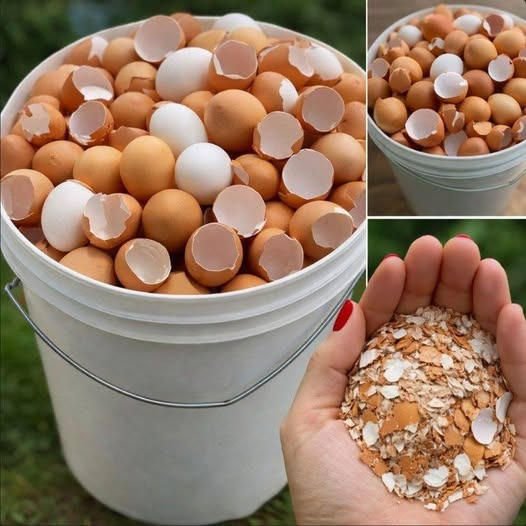
Let me tell you about the week I became an eggshell hoarder.
It started with a single conversation. A friend who gardens mentioned that she saves every single eggshell. Every. Single. One. She has a little bucket on her counter just for shells. I laughed and said, "That's... a lot of eggshells." She looked at me like I'd just admitted to throwing away gold.
"You have no idea what you're throwing away," she said.
She was right.
Most people toss eggshells straight into the trash without thinking twice. But what if those fragile shells could actually become one of the most useful tools in your home?
In today's world, where sustainable living, eco-friendly habits, and zero-waste kitchens are gaining popularity across the U.S., simple changes can make a big difference. Eggshells are packed with calcium and minerals, making them perfect for everything from gardening to cleaning—and even a few surprising household hacks.
I started saving my eggshells that week. I now have a dedicated jar in my freezer (pro tip: freeze them until you have enough to process). And I've learned more uses than I ever imagined possible.
Let me share 17 of my favorites—from the practical to the downright surprising.
First: How to Prepare Eggshells for Reuse
Before you start using eggshells, you need to prep them properly. Otherwise, they can attract pests or rot.
The simple method:
-
Rinse the eggshells thoroughly to remove any egg white residue.
-
Spread them on a baking sheet and let them air dry completely (or bake at 200°F for 10 minutes).
-
Once dry, crush them or grind them into a fine powder depending on your intended use.
-
Store in a sealed jar or container.
Pro tip: Keep a container in your freezer. Add rinsed eggshells as you use them. When the container is full, dry and crush them all at once.
In the Garden (5 Brilliant Uses)
Eggshells are garden gold. Here's why.
1. Natural Fertilizer for Plants
Eggshells are about 95% calcium carbonate—the same compound found in limestone, a common garden lime. Calcium is essential for plant cell walls, root development, and disease resistance.
How to use: Grind dried eggshells into a fine powder using a coffee grinder or food processor. Sprinkle the powder into your garden soil or potting mix before planting. For established plants, work the powder into the top inch of soil.
Best for: Tomatoes, peppers, eggplants, and other fruiting plants that are prone to blossom end rot (a calcium deficiency).
2. Slug and Snail Barrier
Soft-bodied pests like slugs and snails hate crawling over sharp, jagged surfaces. Crushed eggshells create a natural barrier they won't cross.
How to use: Crush dried eggshells into small, sharp pieces (not powder). Sprinkle a ring around the base of vulnerable plants. Reapply after rain.
Best for: Hostas, lettuce, strawberries, and other slug favorites.
3. Boost for Compost
Eggshells add calcium and other trace minerals to your compost pile. They also help balance the pH of acidic compost materials (like coffee grounds and fruit scraps).
How to use: Crush eggshells before adding to your compost (whole shells break down very slowly). Rinse them first to avoid attracting pests.
Pro tip: Dry eggshells in the sun or oven before crushing for compost. Wet shells can get moldy.
4. Seed Starting Pots
This is one of my favorite tricks. Eggshell halves make perfect biodegradable seed starters.
How to use: Crack eggs carefully near the top, leaving most of the shell intact. Rinse and sterilize by baking at 200°F for 10 minutes. Poke a small drainage hole in the bottom with a pin. Fill with potting soil, add seeds, and water. When seedlings are ready to transplant, crush the shell and plant the whole thing in the ground.
Best for: Small seeds like basil, lettuce, and flowers.
see continuation on next page
🔥 Continue Reading 👇 Next Page