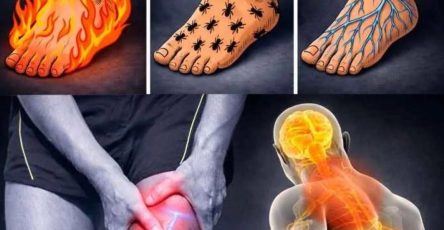
Warning! These tablets can cause blood clots, blood thromboses and heart attacks. Check the first comment.

Some medicines can increase the risk of blood clots, heart attacks, or strokes in certain people. When a potential safety concern is identified, healthcare authorities may update prescribing information, restrict a medicine’s use, issue a warning, or occasionally remove a product from the market.

Biological Sciences

This does not mean that every person taking one of these medicines will experience a serious complication. The level of risk depends on the specific medication, dose, duration of use, underlying  health conditions, age, lifestyle, and other individual factors.

Patients should remain informed and discuss concerns with a doctor or pharmacist, particularly when using medicines known to affect blood clotting, blood pressure, circulation, or cardiovascular health.

What Is a Blood Clot?

Blood clotting is a normal process that helps stop bleeding after an injury. A thrombus is a blood clot that forms inside a blood vessel and remains there. When a clot develops without an appropriate reason or obstructs normal blood flow, it can become dangerous.

Medical Literature & Resources

A clot may partially or completely block a vein or artery. In some cases, part of it can break away and travel through the bloodstream to another organ. This traveling clot is called an embolus.

Possible Complications of Blood Clots

Deep vein thrombosis (DVT): A blood clot forms in a deep vein, most commonly in the leg. It may cause swelling, pain, warmth, or discoloration, although some people have few or no symptoms.

Pulmonary embolism (PE): A clot travels to the lungs and blocks blood flow. This can cause sudden shortness of breath, chest pain, rapid heartbeat, coughing, fainting, or coughing up blood.

Drugs & Medications

Ischemic stroke: Blood flow to part of the brain becomes blocked. Possible signs include facial drooping, weakness or numbness on one side of the body, speech difficulty, loss of balance, confusion, or a sudden change in vision.

Heart attack: Blood flow to part of the heart becomes blocked, frequently after a blood clot forms on a ruptured plaque inside a coronary artery. Symptoms may include chest pressure or discomfort that spreads to the arm, shoulder, jaw, neck, or back; shortness of breath; nausea; sweating; or unusual weakness.

These complications can be life-threatening and require immediate medical attention.

Health

Medicines That May Require Additional Caution